


Is Your Referral Program Actually Working? The GTR Benchmark Report
 Mikayla Martinsen: September 8, 2026
Key Takeaways
|
Let’s face it—lead generation in the home services industry isn’t getting any cheaper. Whether it’s pay-per-click (PPC) advertising, buying leads, or spending big bucks on direct mail campaigns, every lead seems to come with a hefty price tag these days. And that’s a problem.
Why? Because not only are you shelling out more money upfront, but many of these leads are often lukewarm at best. Worse, the competition is fierce, with other contractors vying for the same prospects, which means you’re paying top dollar for the privilege of being just one option out of many. Meanwhile, the conversion rates hover in the low single digits, making it harder than ever to justify the expense.
Referrals aren’t just a feel-good business practice. They’re a proven, profitable strategy that can drastically cut down your cost-per-lead while increasing your chances of closing the deal. Why? Because referral leads come in warm. There is trust in referrals. They’re pre-sold on your services because someone they trust has given your business the seal of approval. Let’s dig a bit deeper into why this strategy works:
Unlike digital ads or direct mail campaigns, referrals don’t require a huge upfront spend. Instead of paying to grab a stranger’s attention, you’re leveraging your existing network to bring in new prospects. Think of it as paying your best customers in appreciation (through cash rewards, bonuses, gift cards, or discounts), rather than funneling your budget into ads that may or may not hit the mark.
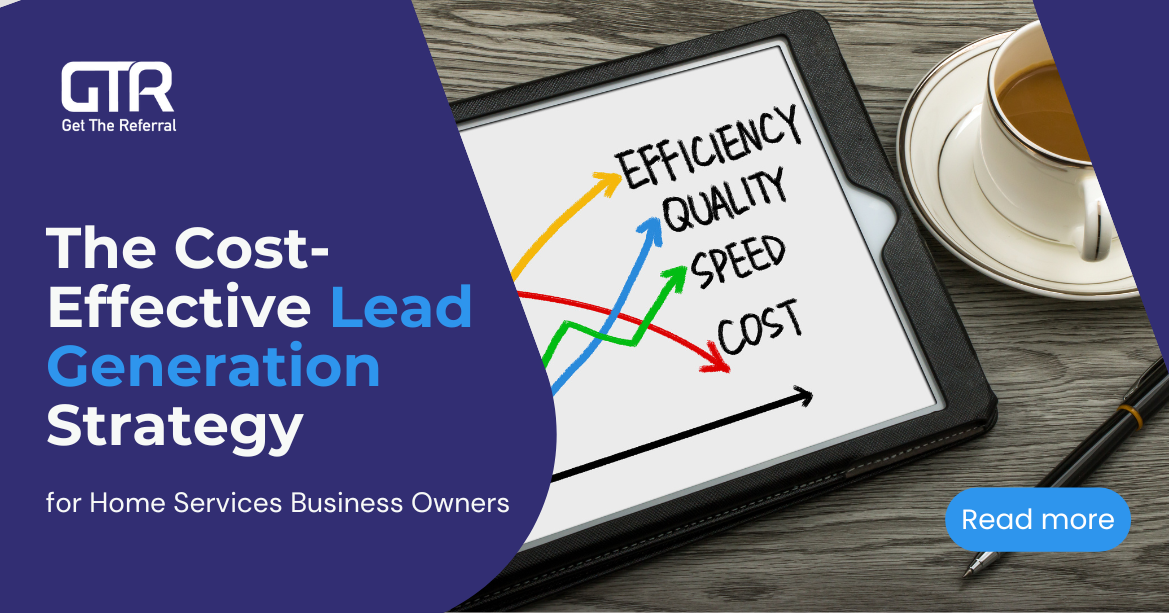
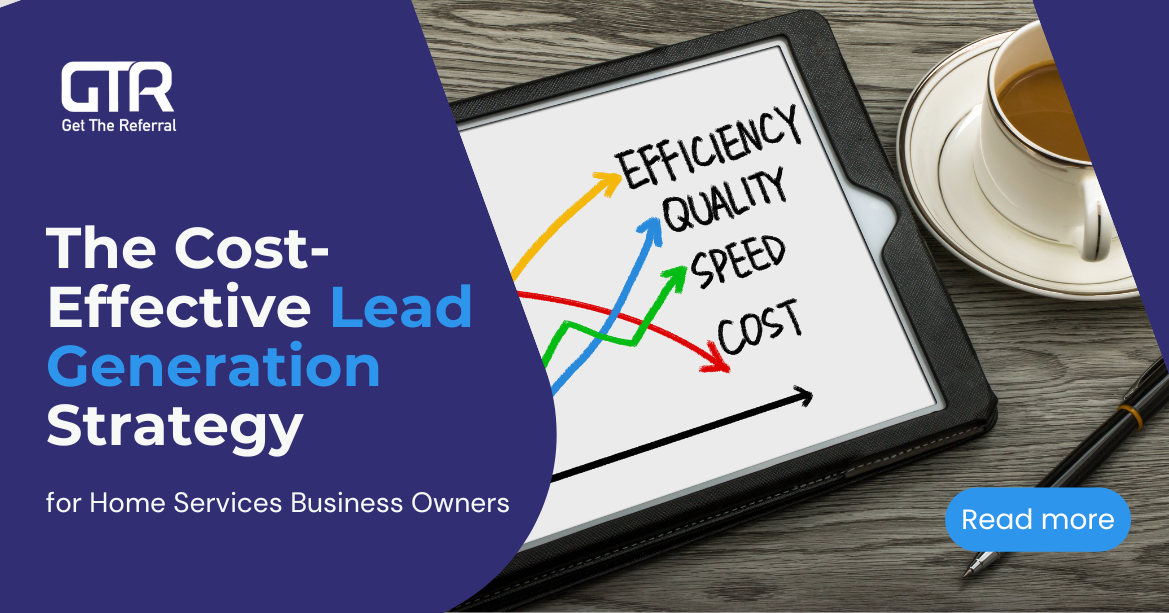
Here’s a stat that’s hard to ignore: The average cost per lead from traditional advertising for roofing and home improvement contractors can range from $150 to over $300, depending on your market and competition levels. In contrast, referral leads often come in at a fraction of that cost. For comparison, take a look at the GTR Customer data results below. The secret is in your network of those who are willing to recommend your services (think current and previous customers, employees, friends, family, and more).

Homeowners trust recommendations from friends and family more than any slick marketing campaign. In fact, referred leads have been shown to convert at 30% higher rates compared to leads from other sources. If a prospect is coming to you because their neighbor can’t stop raving about your stellar roofing job, they’re already halfway down the sales funnel.
According to Finances Online, sales cycle times are reduced because referrals have a 69% faster close time when compared to cold leads. In the home services industry, where competition is tough and profit margins are often tight, speeding up the sales cycle by even a few days can have a big impact. A faster sales cycle means more jobs in progress, happier customers, and, most importantly, increased revenue.
When a new referral customer comes in, they’re not only more likely to convert—they’re more likely to stick around. The lifetime value of a referred customer is on average 16% higher than that of a non-referred customer, according to a Wharton study. That’s because these customers have a stronger initial bond with your business and are more likely to become loyal, repeat clients.
For home services companies like yours, that could mean upselling to ongoing maintenance contracts, future remodels, or seasonal service packages. All of these factors add to a healthier bottom line.
Referrals are more than just a “nice-to-have” – they’re a must-have in the modern marketing landscape. By integrating a structured referral program into your marketing strategy, you save on lead acquisition costs and drive high-quality leads that are more likely to convert and stay loyal.
Feeling the pinch from rising ad costs? Shift your focus to referrals. They’re cost-effective, trust-driven, and a proven method to boost your bottom line. Book a demo below to learn how GTR can help you lower lead costs without lowering quality.

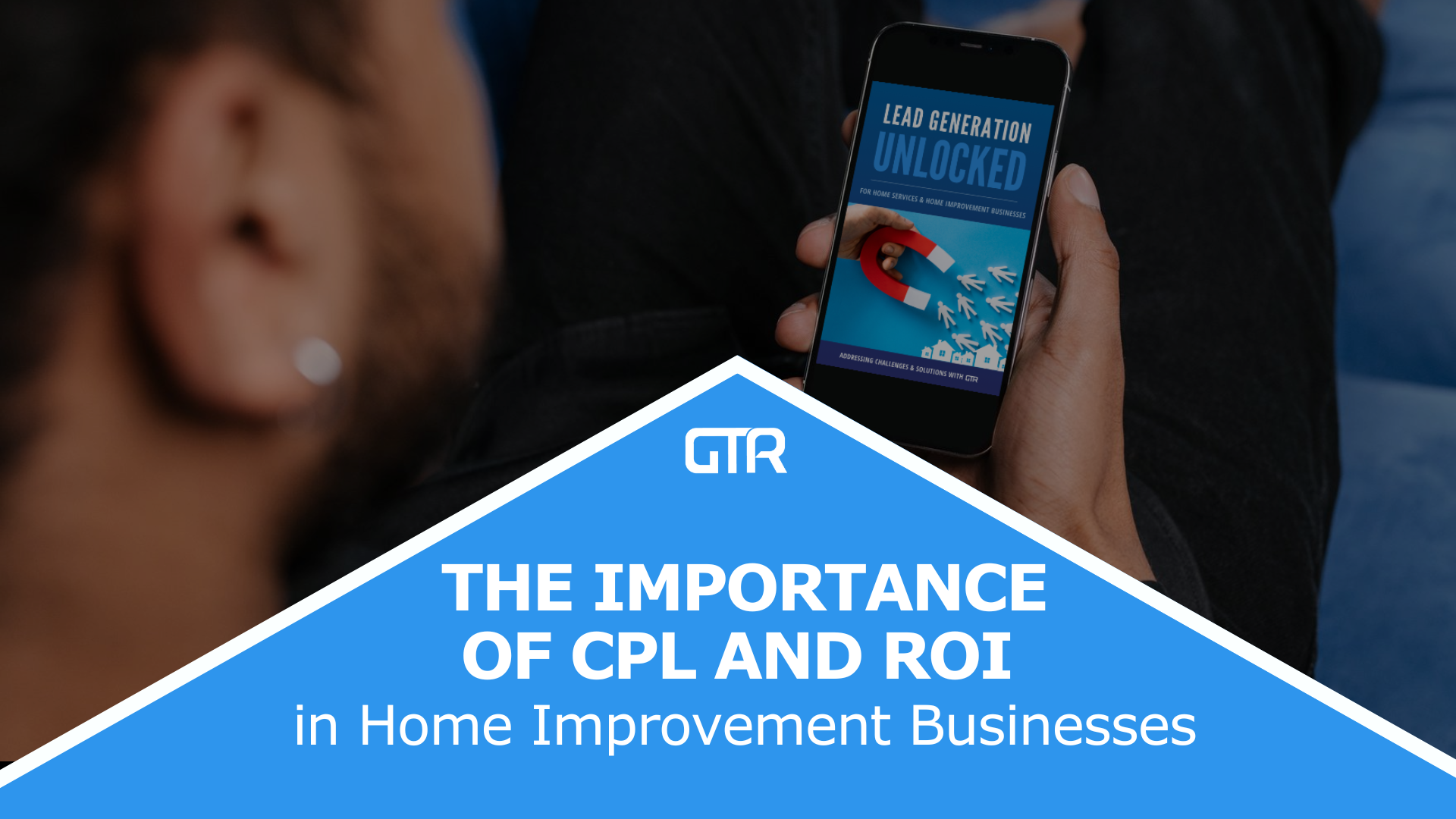
Ready to dive deeper into the world of lead generation? Learn more about the current challenges our industry is facing and how to tackle them head-on. Download Our Free eBook: Lead Generation Unlocked! and stay ahead of the curve.

Increased competition in PPC, rising ad platform costs, and shared lead marketplaces drive up Cost Per Lead. Businesses often pay premium prices to compete for the same prospects, which reduces ROI and lowers close rates.
Referrals reduce marketing spend by leveraging satisfied customers instead of paid advertising. Since referral prospects already trust the recommendation source, they require less persuasion and convert more efficiently.
Yes. Referred leads typically close at higher rates because trust is transferred from the referrer to your business. This shortens the sales cycle and improves overall conversion performance.
Referred customers tend to stay longer, purchase more services over time, and show stronger brand loyalty. This increases their lifetime value compared to non-referred customers.
By implementing structured referral software that automates tracking, communication, and rewards. A system like GTR ensures referrals are monitored end-to-end, rewards are delivered efficiently, and performance data is measurable.
 Mikayla Martinsen: August 26, 2026
How Referral Software Improves Contractor Lead Flow
 Mikayla Martinsen: August 24, 2026
How to Train Home Services Sales Reps to Ask for Referrals TL; DR Summary: A practical coaching framework for home services leaders — how to...

1 min read
Mikayla Martinsen : August 12, 2024
Key Takeaways Lowering lead generation costs only works if performance metrics improve alongside reduced spend. Cost Per Lead (CPL) shows...

1 min read
Mikayla Martinsen : August 5, 2024
Key Takeaways Lower lead costs by stacking long-term channels first (local SEO + content), then using paid ads only where they stay profitable.
1 min read
Mikayla Martinsen : August 26, 2024
Alright, let’s cut to the chase. As a home services business owner, you’re no stranger to the challenges of keeping your marketing efforts on point...