


The Leap From 'Yes' to Signed, Without Losing Trust
 Mikayla Martinsen: September 21, 2026

ARTICLE SUMMARY
Home services companies track paid ad spend closely but rarely benchmark referrals, even though referrals are one of the most trusted and valuable lead sources available. Get The Referral (GTR) 2026 Referral Benchmark Report compares real referral program data across roofing, remodeling, solar, and windows & doors contractors on volume, conversion, cost, and ROI — so any team can see how their own program compares to the industry. The report is a free download from GTR.
Every home services company tracks its paid ad spend down to the penny. Cost per lead, cost per click, cost per install — it's all in a dashboard somewhere. But ask the same leadership team how their referral program compares to other roofing, remodeling, solar, or windows & doors contractors, and you'll usually get a shrug. Referrals are treated as a nice-to-have side channel instead of the measurable, repeatable revenue engine they actually are.
That's the gap the 2026 Referral Benchmark Report was built to close.
Referrals aren't a fringe tactic. Research on consumer trust has consistently found that people are far more likely to act on a recommendation from someone they know than on an ad — a pattern Nielsen's consumer trust research has documented for years. Academic work on referral programs has gone even further, finding that customers who arrive through a referral tend to be more loyal and more valuable over time than customers acquired through other channels, according to research highlighted by Baylor University's Keller Center, drawing on a widely cited Wharton study of referral programs and customer value.
So the channel is trusted, and the customers it produces are valuable. Yet most home services companies still can't answer basic questions about their own program: Is 15 referrals a month good for a company our size? Is our referral-to-close rate healthy? Should a referred lead cost less than a paid lead — and if so, by how much?
Without a benchmark, referral programs tend to drift in one of two directions. Either the reward structure is too conservative and satisfied customers never bother referring anyone, or it's generous enough to move the needle, but nobody can prove the ROI to leadership when budget season comes around. Sales reps close referred leads without knowing whether their close rate is actually strong, and marketing teams can't make the case for shifting spend toward a channel they can't contextualize.
We've written before about which referral metrics actually matter for home services teams. The benchmark report takes that a step further: it tells you not just what to track, but what "good" looks like for a company your size, in your trade. If you want to see where your program stands today, our referral ROI calculator is a fast way to check your current numbers before you dig into the full report.
Curious how home services marketing benchmarks are trending industry-wide?
ServiceTitan's home services industry statistics are a good broader read alongside our referral-specific data.
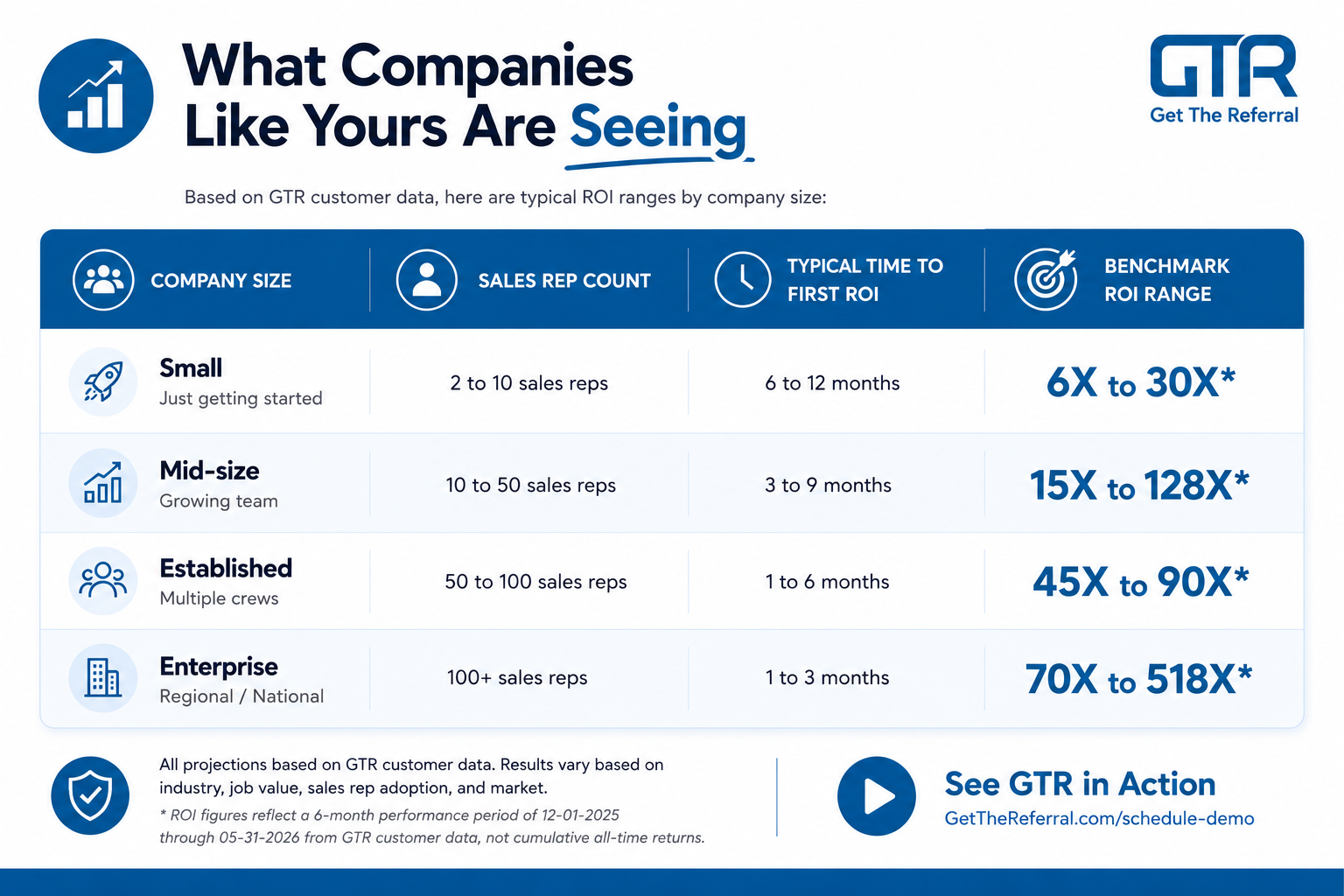
We pulled real referral program data from home service contractors across roofing, remodeling, solar, and windows & doors to build a picture of what a well-run referral program looks like in 2026. The report breaks benchmarks down by category, including:
We're not going to spoil the numbers here — that's what the report is for. But if you've ever wondered whether your program is punching above or below its weight, this is the first time that comparison has been laid out this clearly.
The report is built for anyone with a stake in referral performance: sales leaders setting quotas and coaching their sales reps on referred-lead conversations, marketing teams deciding how to allocate budget across channels, RevOps and analytics teams building out attribution, and owners and executives who need a credible number to bring into planning conversations.
See how your referral program stacks up against the industry.
Download the free 2026 Referral Benchmark Report here.
Want to see the platform behind the programs in the report? Take a look at GTR's branded referral app to see how top-performing contractors are turning happy customers into a predictable pipeline.

A referral benchmark report compares referral program performance — things like monthly referral volume, referral-to-close conversion rate, cost per referred lead, and program ROI — across companies in the same industry. It gives a business a reference point for what "good" looks like instead of judging its program in isolation.
Home services companies like roofers, remodelers, solar installers, and window and door contractors typically track paid advertising performance closely, but rarely have a reference point for referral performance. Without a benchmark, it's hard to know whether a referral program is underperforming, on track, or already outperforming the industry.
The metrics that matter most are monthly referral volume, referral-to-close conversion rate, cost per referred lead compared to paid channels, and revenue or ROI generated per referral. See GTR's guide to referral analytics metrics for a deeper breakdown.
At a high level, referral program ROI is the revenue generated from referred customers minus the total cost of running the program (rewards, software, and administration), divided by that program cost. Try GTR's referral ROI calculator to estimate this for your own business.
The report is built for sales leaders coaching sales reps on referred-lead conversion, marketing teams allocating budget across channels, RevOps and analytics teams building attribution models, and owners or executives who need credible referral benchmarks for planning.
It's a free download — just visit the 2026 Referral Benchmark Report page to get your copy.
 Mikayla Martinsen: September 16, 2026
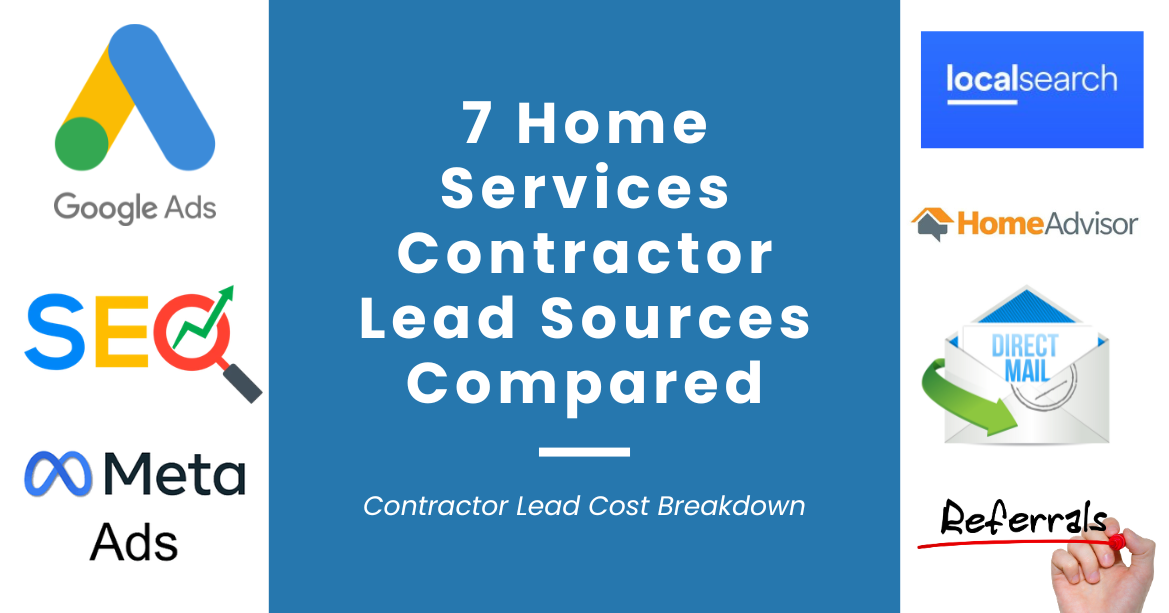
Contractor Lead Costs: 7 Lead Sources Compared
 Mikayla Martinsen: September 15, 2026
Contractor Lead Quality: How to Get More Leads That Actually Close More leads sound like the answer to every contractor's growth problem.
 Mikayla Martinsen : August 17, 2026
A side-by-side cost comparison of contractor referrals and paid ads — cost per lead, close rate, and how to decide where your next dollar should go.
 Mikayla Martinsen : May 9, 2025
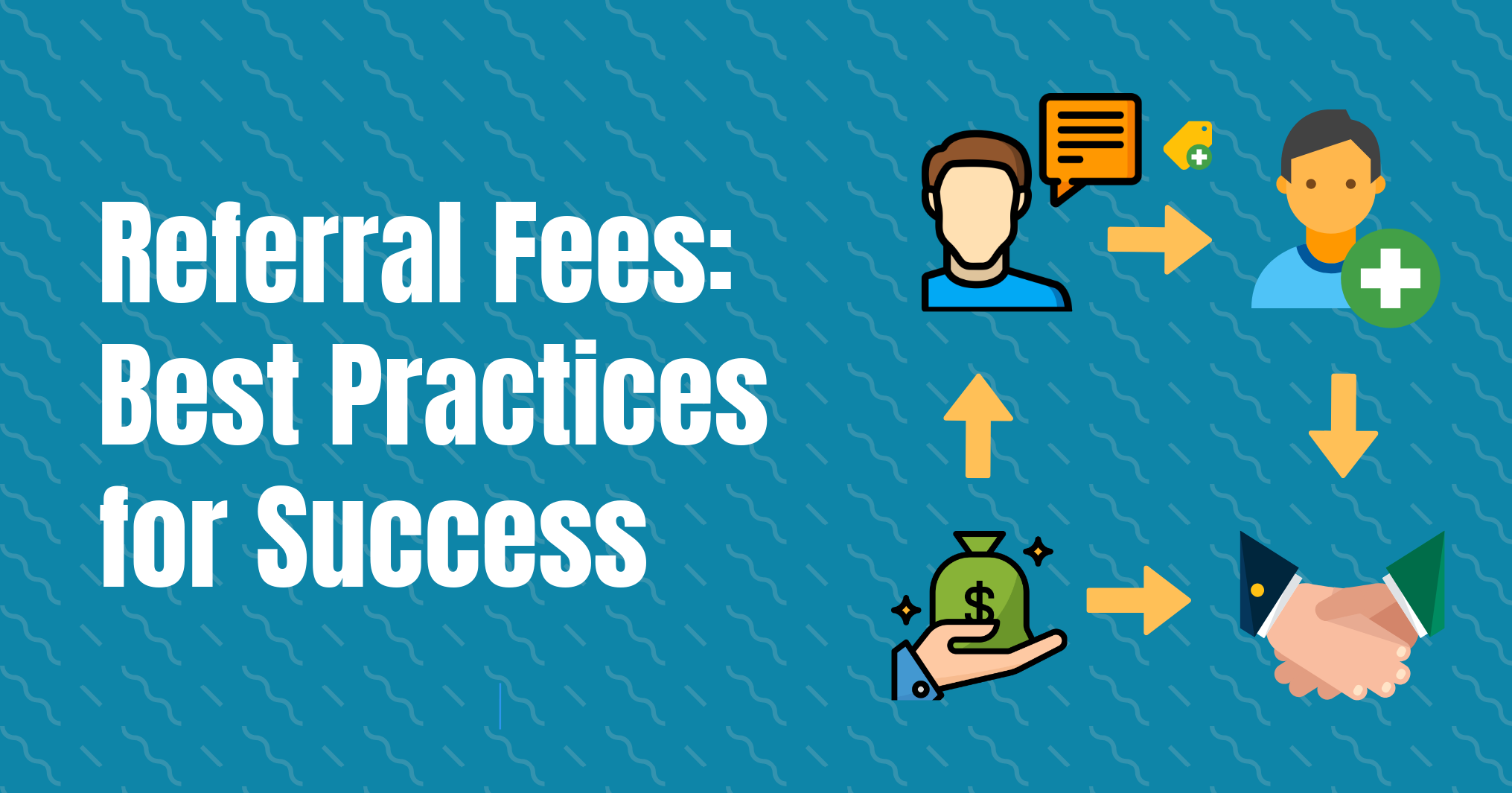
Discover how referral fees help home service pros grow fast. Learn how they work, how to reward, and how to launch a program that drives real results.
 Mikayla Martinsen : August 24, 2026
A practical coaching framework for home services leaders: diagnose rep hesitation, standardize the referral ask, and build consistent habits after...